Safe Auto Transport: A Plain Guide to Shipping Your Car

Most car shipments in the US go fine. The ones that go wrong usually fail on paperwork, not on the highway: a broker who sold a price no carrier would accept, an inspection report nobody read, an insurance certificate that expired last spring. Safe auto transport is mostly about checking a handful of things before the truck shows up.
When you ship your car, open carrier auto transport is the most common and affordable option for most drivers.
This site collects those checks in one place. It does not move vehicles, sell quotes or take bookings. It explains how car shipping works so you can compare offers and ask the right questions.
Most owners feel calmer once they understand the car shipping process from start to finish.
How car shipping works in practice
You deal with one of two kinds of companies. A carrier owns the trucks and drives them. A broker posts your car on a load board and finds a carrier willing to take it on that route at that price. Most online quotes come from brokers, which is not a problem in itself, as long as the price is realistic and the broker is licensed with the FMCSA.
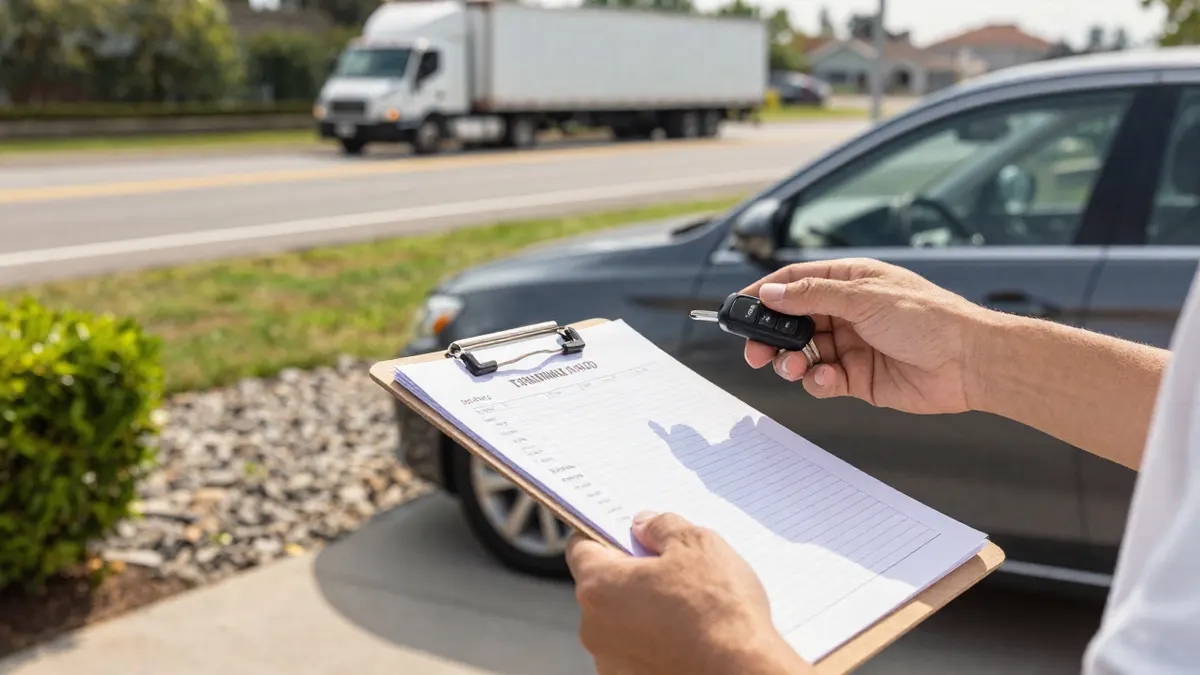
Once a carrier accepts the load, you get a pickup window rather than a fixed time, often two or three days wide. The driver inspects the car with you, notes every scratch on a bill of lading, and you both sign. That document matters more than anything else in the process, because it is what you compare against at delivery.
Open or enclosed carrier
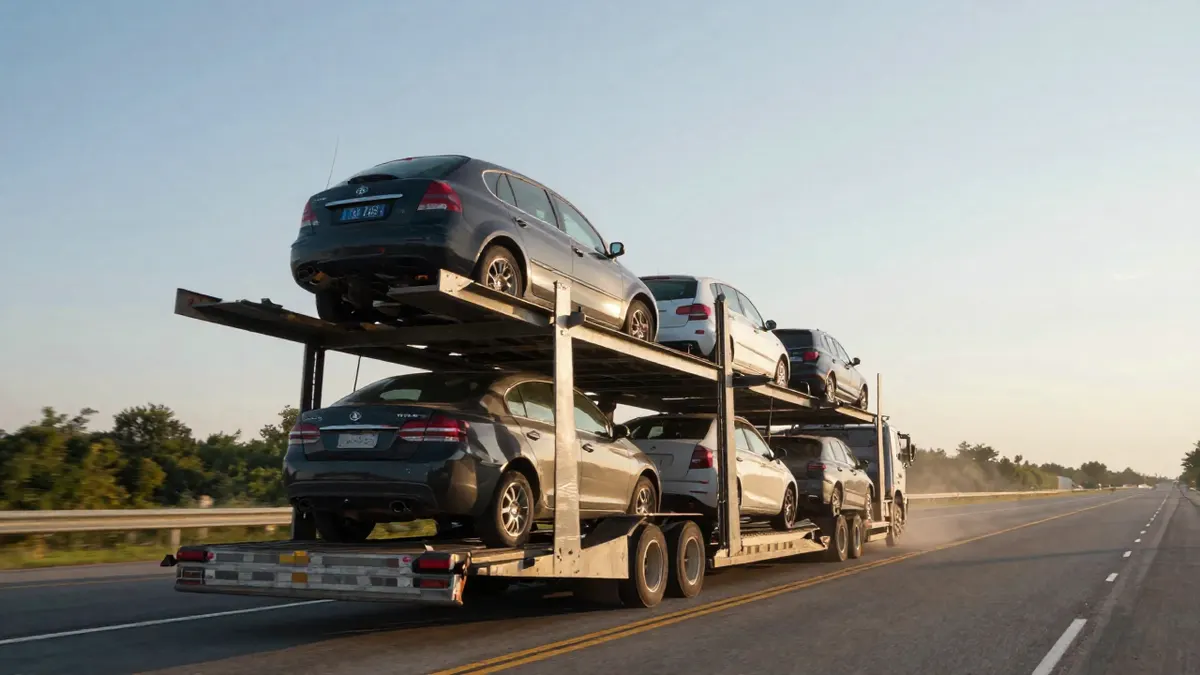
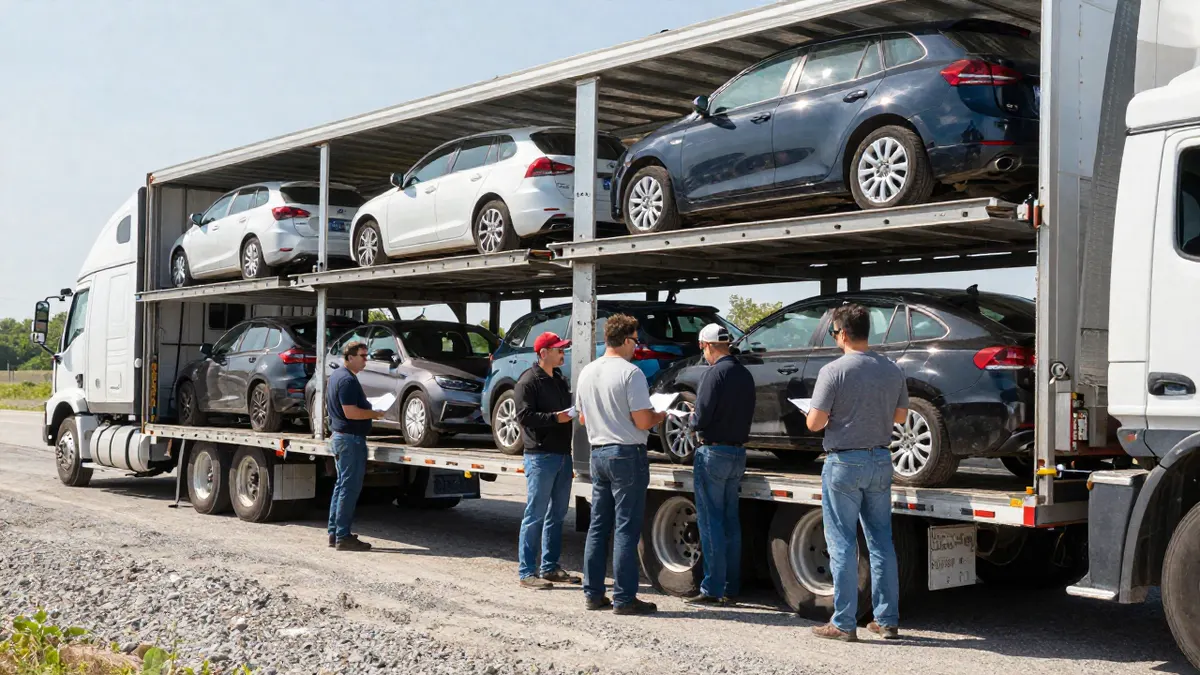
An open carrier is the double-deck trailer you see on the interstate with eight to ten cars on it. It is the cheapest option and the one most dealers use. Your car is exposed to rain, dust and road grit, the same as if you drove it, minus the miles.
An enclosed carrier costs roughly 40 to 60 percent more. It makes sense for classic cars, low sports cars, fresh paint jobs or anything you would not park outside for a week. For a five-year-old sedan, it is usually money spent on peace of mind rather than protection.
What a fair price looks like
Prices depend on distance, route popularity, season and the size of the vehicle. As a rough guide for a sedan on an open carrier:
- under 500 miles: about $500 to $850
- 500 to 1,500 miles: about $800 to $1,300
- coast to coast: about $1,200 to $1,900
SUVs and pickups add $100 to $300. Rural pickups cost more than city-to-city runs on major interstates, because the driver has to leave the main route. A quote far below these ranges is the classic warning sign. The broker takes your deposit, nobody accepts the load at that price, and a week later you are asked to pay more.
Checks that make auto transport safe
- Look up the company's USDOT and MC numbers on the FMCSA website and confirm the status is active.
- Ask for the carrier's insurance certificate and check the cargo coverage amount and the expiry date.
- Read the cancellation terms before paying any deposit.
- Get the pickup window and the delivery estimate in writing.
- Never sign a blank or incomplete bill of lading.
Five minutes on the FMCSA lookup filters out most of the trouble.
Getting the car ready
Wash it a day or two before pickup so damage is visible during the inspection. Take dated photos of every panel, the roof and the wheels. Leave about a quarter tank of fuel, remove toll tags and loose items, and fold the mirrors if you can. Carriers are not licensed to move personal belongings, and anything left inside is not covered.
At delivery, inspect the car before you sign, even if it is dark or the driver is in a hurry. Damage noted on the bill of lading is a claim. Damage you find the next morning is an argument.
Timing your shipment
Summer is the busiest season and the most expensive. January and February bring lower prices on most routes, except the north-to-south snowbird lanes, which fill up in late fall and again in spring. Booking two to three weeks ahead gives the broker time to find a carrier at a normal price. Expedited service exists, but it often costs $200 to $500 more for a pickup that comes only a few days sooner.
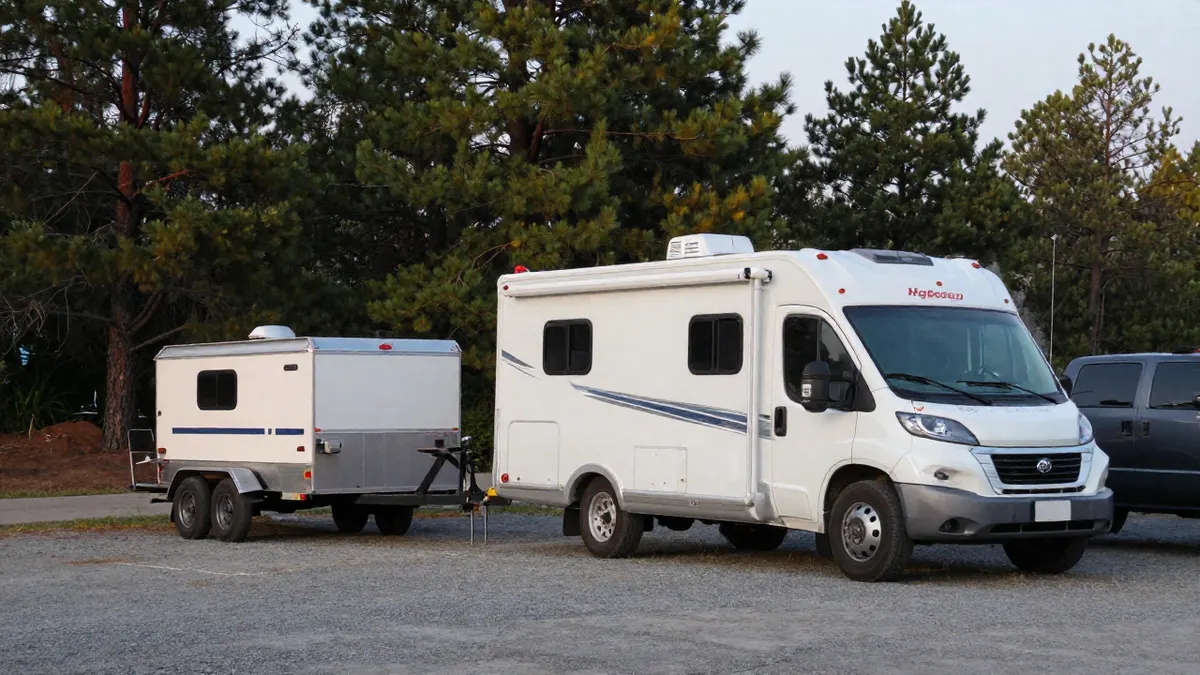
The guides on this site go deeper into each step: carrier types, door-to-door service, shipping an RV, dealer transfers and cars bought online, plus what cold weather does to a car that sits on a trailer for a week.
Some owners prefer door-to-door car shipping because it saves them a trip to a busy terminal.