Recreational Transport: How to Move an RV, Trailer or Boat
Recreational transport covers the hauling of vehicles built for leisure: motorhomes, travel trailers, fifth wheels, pop-up campers, boats on trailers, ATVs, golf carts and motorcycles. Each type moves differently, and the choice between driving it yourself, hiring a driver or loading it on a carrier changes both the cost and the risk.
This page explains the main options, typical numbers and the preparation that prevents most problems.
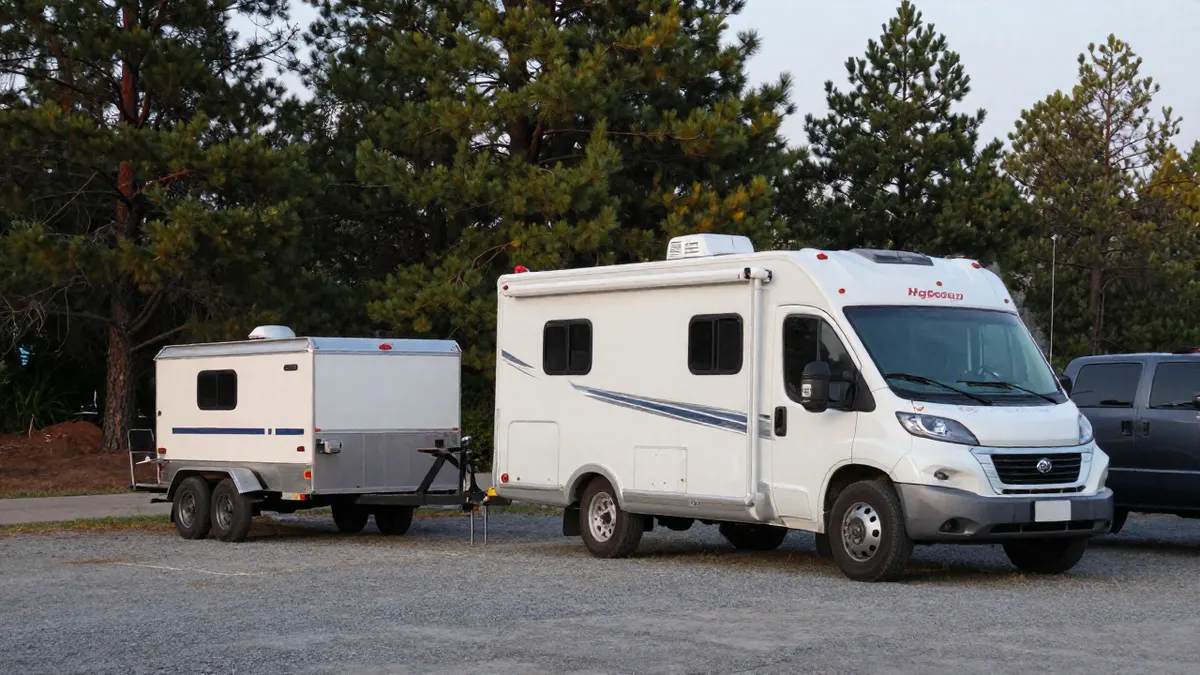
Recreational transport options by vehicle type
Size decides almost everything. A Class A motorhome can reach 40 feet and weigh 30,000 pounds or more, so it rarely fits on a standard car hauler. A teardrop trailer or a golf cart is a very different job.
- Motorhomes (Class A, B, C): usually driven by a professional driver, or towed with a heavy-duty wrecker for long distances.
- Travel trailers and fifth wheels: pulled behind a truck in a "tow-away" setup, or loaded on a flatbed if the unit is small.
- Boats on trailers: hauled by specialized carriers, with height limits near 13 feet 6 inches on most roads.
- Small units (ATVs, golf carts, motorcycles, pop-up campers): shipped on enclosed or open trailers, often several at once.
Anything wider than 8 feet 6 inches needs an oversize permit in most states. That adds paperwork, route limits and sometimes daylight-only driving.
What recreational transport costs
Prices move with season, fuel and route, so treat these as rough figures only. A travel trailer often runs from about $1.50 to $3 per mile on long hauls, with shorter trips costing more per mile. A motorhome driven by a hired driver commonly starts around $2 per mile plus fuel and return travel for the driver.
Cross-country moves (say Florida to Oregon, roughly 3,000 miles) can land between $4,000 and $8,000 for larger rigs. Smaller units such as ATVs or golf carts may start closer to $500 to $1,200 on a shared load.
Timing matters. Spring, when snowbirds head north, and fall, when they return south, push rates up. Shipping in midsummer or midwinter on the same lane is often cheaper.
Open or enclosed for recreational vehicles
Most RVs travel exposed, because few enclosed trailers are tall or long enough. For smaller items, though, the choice is real. Open carrier auto transport is the cheaper route and suits sturdy trailers, boats and ATVs that handle weather and road grit without trouble.
For a vintage Airstream, a high-end Class B van or a show-quality motorcycle, enclosed carrier shipping is worth the extra 30 to 60 percent. It blocks stone chips, rain and sun damage. I would pick it for any unit with fragile awnings, fresh paint or decals you cannot easily replace.
How the process works
The car shipping process follows the same basic steps for most recreational units: you request quotes, the carrier assigns a driver, a pickup window is agreed, and an inspection report is signed at both ends. Pickup windows usually span 1 to 5 days. Transit takes about 7 to 10 days coast to coast, less for regional runs of 500 miles or so.
Quotes should state the length, height and weight of the unit. Wrong measurements are the most common reason a final price jumps on pickup day.
Preparing your RV or trailer
A little work before pickup protects you and the unit.
- Empty the fresh, gray and black water tanks. Water adds hundreds of pounds.
- Turn off and secure propane tanks. Most carriers refuse a unit with open gas.
- Remove loose items, or lock them in cabinets. Many carriers forbid personal belongings entirely.
- Retract slide-outs and awnings, and latch every door and vent.
- Photograph all sides, the roof and the tires, with timestamps.
- Check tire pressure and brake lights on towables.
Keep a spare key with the driver and note existing scratches on the inspection report. Insurance deserves a call too. Carrier cargo coverage often has a cap, and your own policy may not cover a unit while someone else is driving it.
Frequently Asked Questions
How long does recreational transport take?
Regional trips under 500 miles often finish in 1 to 3 days. Cross-country moves generally take 7 to 10 days, depending on weather, permits and how many stops the driver makes.
Can I leave belongings inside my RV?
Usually not. Extra weight, shifting contents and liability rules lead most carriers to ban personal items. If any are allowed, expect a low weight limit, often around 100 pounds, and no coverage for them.
Do I need a special permit?
Only if the load exceeds legal width, height or weight, commonly 8 feet 6 inches wide or 13 feet 6 inches tall. The carrier normally handles permits, but the fee is added to the quote.
Is it cheaper to drive the RV myself?
On short trips, often yes. Over 1,500 miles, fuel at 8 to 10 miles per gallon, campsites, wear and your time can come close to the cost of hiring a hauler.