Car Shipping Help: What to Know Before You Move a Vehicle
Most people who search for car shipping help want three answers fast: how much it costs, how long it takes, and what to do before the truck shows up. This page covers those, plus the paperwork that trips people up. It is an independent guide, not a carrier, and it takes no bookings.
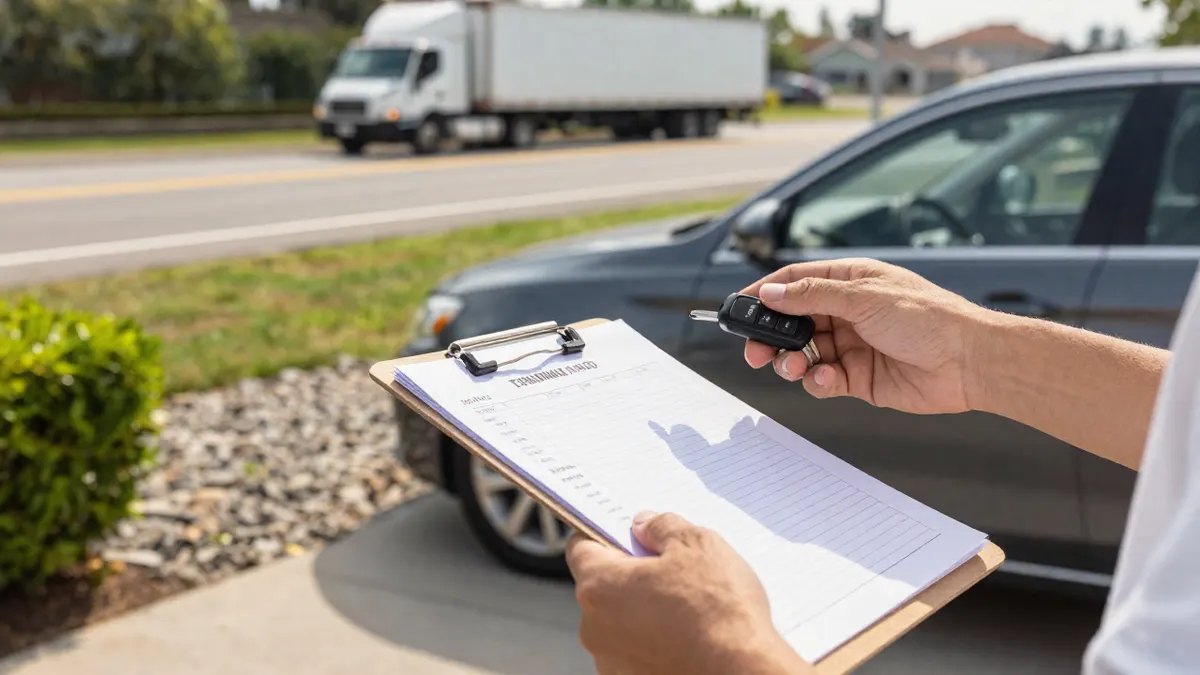
How Car Shipping Works Step by Step
A shipper requests quotes, picks a carrier or broker, and agrees on a pickup window. A driver collects the vehicle, loads it onto a trailer with other cars, and delivers it to the destination address or a nearby lot. A standard open trailer holds 8 to 10 cars.
Pickup is rarely exact. Expect a window of 1 to 3 days, with a phone call from the driver 12 to 24 hours before arrival. For a deeper look at each stage, see our page on the car shipping process.
How Much Does Auto Transport Cost?
Distance drives the price more than anything else. As rough, indicative figures, a trip of about 500 miles often starts around $600 to $800, while a coast-to-coast move of 2,500 miles or more commonly runs from about $1,300 to $1,800 for a standard sedan.
Several things push the number up:
- Larger vehicles such as SUVs and pickups (often $100 to $300 more)
- Enclosed trailers (usually 40 to 60 percent above open transport)
- Vehicles that do not run, which need a winch
- Winter months and peak summer moving season
- Rural pickup or delivery away from main highways
Be wary of a quote far below the others. A price that low usually gets raised later or sits unassigned for weeks.
How Long Does Car Shipping Take?
Transit time depends on miles and route. A driver covers roughly 400 to 500 miles a day, so a 1,000 mile trip takes about 3 to 4 days on the road. Cross-country usually means 7 to 10 days from pickup to delivery.
Add the wait for assignment, which can be a few days to a week. Booking two to three weeks ahead gives you the best chance of a smooth schedule, and flexible dates often lower the price.
Open or Enclosed Transport
Open carriers are the default and carry most of the cars you see on highways. They are cheaper and easier to schedule. Your vehicle is exposed to weather and road dust, but damage is uncommon.
Enclosed trailers make sense for classic, exotic or high-value cars. If your vehicle is worth more than about $75,000 or has low ground clearance, enclosed is the safer pick.
Preparing Your Car for Pickup
A little prep prevents most disputes. Wash the car so existing scratches are easy to see, then photograph every side, the roof and the odometer.
- Leave about a quarter tank of fuel
- Remove toll tags and personal items
- Fold in mirrors and lower or remove the antenna
- Note any leaks, warning lights or alarm quirks for the driver
Most carriers do not insure belongings left inside, and extra weight can add fees. Keep it empty.
Paperwork and Inspection
The key document is the bill of lading. At pickup, the driver inspects the car and marks any existing damage on it. At delivery, you check the car against the same report before signing.
Do not sign until you have looked the car over, ideally in daylight. If you see new damage, write it on the bill of lading at once and take photos. Later claims are much harder without that note.
Ask for proof of the carrier's cargo insurance, and check that the coverage amount fits your vehicle. Carriers should also have a valid federal motor carrier number you can look up.
Choosing a Carrier or Broker
Brokers arrange the job and hand it to a driver. Carriers own the trucks. Both can be fine, but a broker's fee should be clear from the start. A deposit is normal, often $100 to $250, with the balance due at delivery.
Read recent reviews, not only star ratings, and look for patterns such as repeated late pickups. If you want background on who runs this guide, read about our company.
Getting Help When Something Goes Wrong
Delays happen with weather, breakdowns and full trailers. Start by contacting your carrier or broker directly. Keep the order number and bill of lading handy. If you need a contact route for a specific company, look for its official customer service phone number on its own paperwork rather than a search result, since lookalike listings are common.
Frequently Asked Questions
Can I ship a car that does not run?
Yes, but tell the carrier in advance. The driver needs a winch and the job usually costs about $100 to $200 more. Without notice, the driver may refuse the load at pickup.
Do I need to be present at pickup and delivery?
You or a trusted adult should be there to sign the bill of lading. The person can be a friend or family member. Large trucks sometimes cannot enter narrow streets, so you may meet the driver at a nearby parking lot.
Is my car insured while it is being shipped?
The carrier's cargo policy normally covers damage during transport. Deductibles vary, and your own auto insurer may add coverage. Confirm both before the pickup date.
When is the cheapest time to ship?
Late fall and early spring tend to be cheaper than summer. Prices rise in January and February for snowbird routes to Florida and Arizona. Flexible dates can save $100 or more.