Open Road Auto Transport: What to Know About Open Carriers
Open road auto transport means your vehicle rides on an open, uncovered trailer, the kind you see on highways loaded with six to ten cars on two levels. It is the standard way to move a car in the United States, and roughly nine out of ten vehicles shipped across the country travel this way. The method is simple, widely available and cheaper than the alternatives.
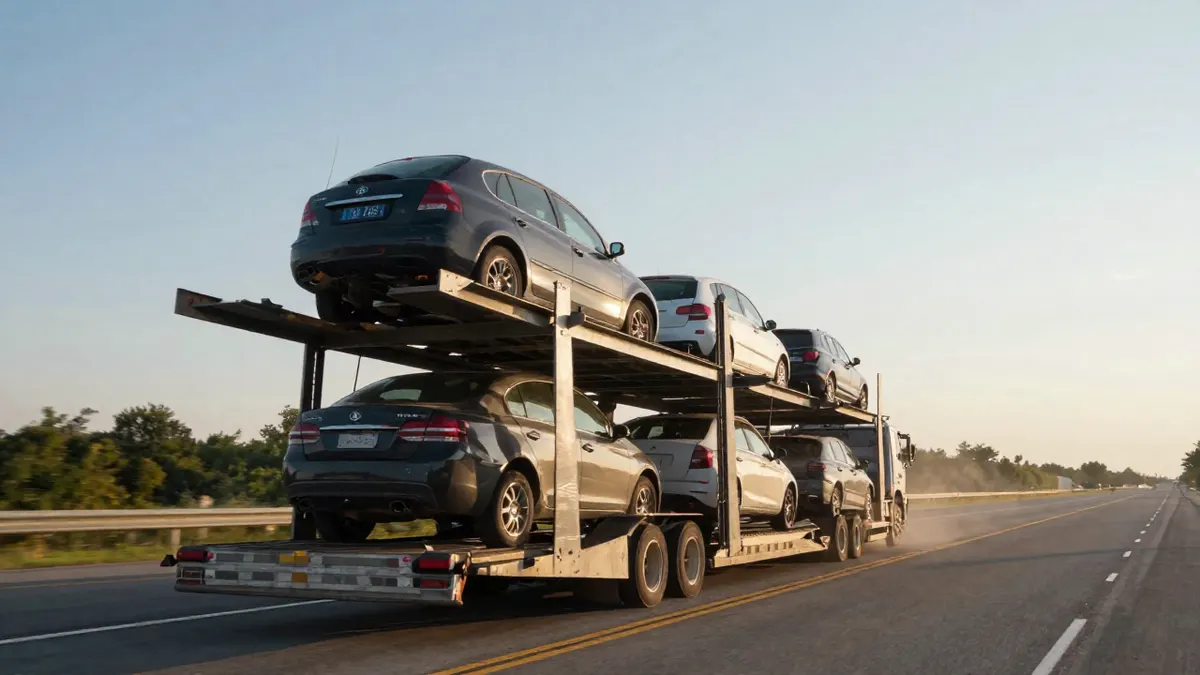
How open road auto transport works
A driver picks up your car, straps it down by the tires on a hydraulic ramp deck, and fills the rest of the trailer with other vehicles heading the same direction. Most rigs carry 7 to 10 cars. Smaller haulers with 3 to 5 spots exist too, and they tend to handle rural pickups better.
Because the truck is shared, it rarely goes straight from your door to your destination. It makes several stops. That is why pickup is usually given as a window of one to three days rather than a fixed hour.
What open carriers cost
Prices move with distance, season and fuel costs, so treat these figures as rough guides only. A move of around 500 miles often runs from about $500 to $750. Coast to coast, roughly 2,800 miles, commonly lands between $1,200 and $1,700 for a standard sedan.
Several things push the number up:
- Larger vehicles such as full-size pickups and three-row SUVs, often $100 to $300 more
- Cars that do not run, which need a winch and usually add about $150
- Remote pickup addresses far from major highways
- Winter and summer peaks, when demand is high
If you have flexibility, the cheapest time to ship is usually late autumn outside the holidays, or early spring before the summer rush. Dates matter more than most people expect.
How long the trip takes
A carrier covers about 400 to 500 miles a day, because drivers are limited in hours and make stops along the way. A trip of 1,000 miles takes about 3 to 5 days once the car is loaded. Cross-country usually needs 7 to 10 days.
Add the time it takes to match your car with a truck. That can be a day or two on busy routes, or a week on quiet ones.
Is an open carrier safe for your car?
For most cars, yes. Damage is uncommon, and carriers must hold cargo insurance, commonly in the range of $100,000 or more per load. Ask for the certificate and check what the deductible is.
The real trade-off is exposure. Your car faces rain, road dust, and occasionally stones kicked up from traffic. A wash after delivery solves nearly all of it. If the car is a classic, an exotic, or freshly painted, that exposure is a fair reason to look at enclosed carrier shipping, which costs about 40 to 60 percent more but keeps the vehicle sealed from weather and eyes.
Open carrier or something else
Choose open if your car is a daily driver, a lease return, or a student's second car. The savings are real and the risk is low. Choose enclosed for high-value or low-clearance vehicles.
Larger rigs are a different matter. Motorhomes, trailers and camper vans usually need specialized handling, and recreational vehicle transport follows its own rules on height, weight and equipment.
Preparing your car for pickup
A little preparation prevents most disputes. Wash the car so existing marks are easy to see, and photograph every side, the roof and the interior. Keep the fuel tank at about a quarter full, since extra fuel adds weight.
Remove toll tags and personal items. Carriers generally do not insure belongings left inside, and many cap any permitted load at about 100 pounds.
At pickup, the driver fills in a bill of lading that lists existing damage. Check it carefully before you sign. Do the same at delivery, in daylight if possible, before you hand over final payment.
Terminal or door-to-door
Most open haulers offer door-to-door car shipping where the street allows it. Big rigs cannot always fit down narrow residential roads, so the driver may ask to meet you in a large parking lot nearby. That is normal and usually within a mile or two.
Terminal drop-off still exists but is less common and can add storage fees, often $25 to $50 a day after a short free period.
Frequently Asked Questions
Is open road auto transport cheaper than enclosed?
Yes, generally by 40 to 60 percent. More cars fit on one trailer, and open rigs are far more common, so there is more competition for each route.
Can I leave items in the car?
Usually not. Carriers are not insured for personal belongings, and extra weight can cause fees. Some allow a small box in the trunk, but ask first.
Does weather damage cars on open trailers?
Rain and dust are common, but real damage is rare. Hail and flying road debris are the main risks, which is why owners of valuable cars often pick a covered trailer.
How far ahead should I plan the move?
Two to three weeks is comfortable for most routes. In summer or around the holidays, allow closer to four weeks so you have a choice of dates.