Car Shipping Cheaper Times of Year: Choosing the Right Time to Ship
The car shipping cheaper times of year are late fall (roughly mid-October through early December) and late winter (January through early March). Demand drops, carriers have empty space on their trucks, and quotes often land 10 to 20 percent below summer levels. The two exceptions are snowbird routes and holiday weeks, covered below.
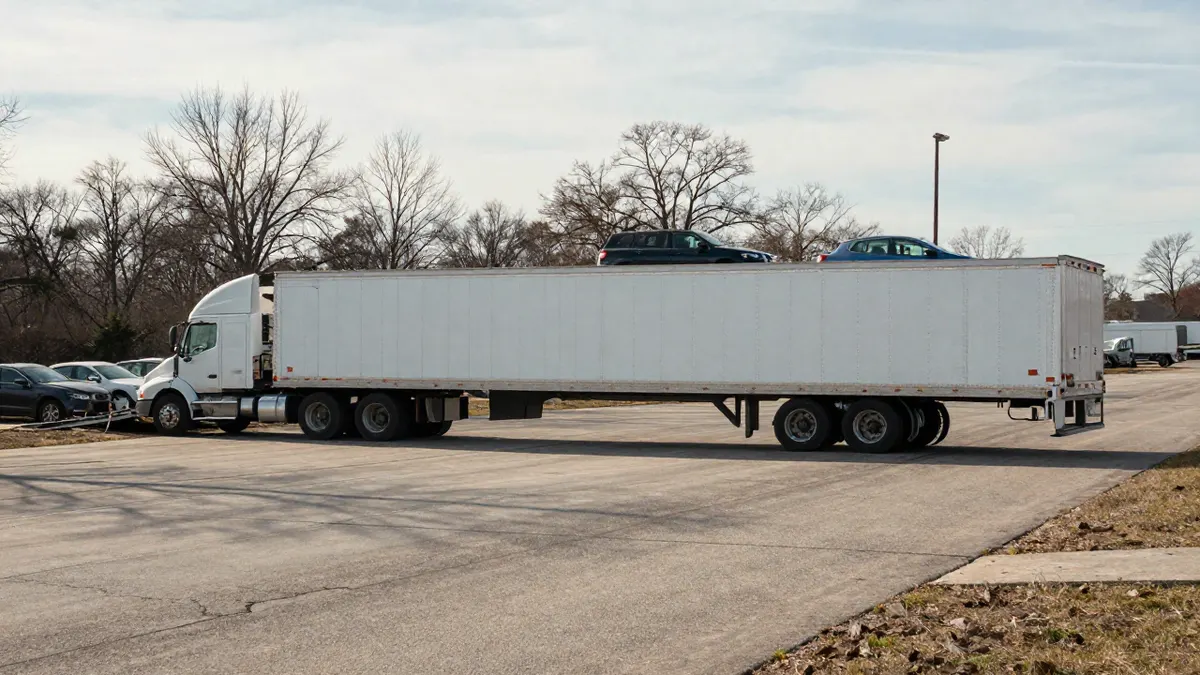
Car Shipping Cheaper Times of Year, Month by Month
Prices follow demand, and demand follows moving season, college calendars and vacation patterns. A typical cross-country run on an open trailer costs around $1,300 to $1,800 in a quiet month. In June or July the same route can climb to $1,600 or $2,200.
- January and February: slow overall, with good rates on most routes, except trips into Florida and Arizona.
- March and April: prices start rising as snowbirds head north and families plan spring moves.
- May through August: the busiest stretch. Students, military moves and home sales all peak together.
- September: still firm early on, then easing after the first week or two.
- October and November: some of the best value of the year, until Thanksgiving week.
- December: cheap early in the month, tight and pricey near Christmas.
Why Seasonal Prices Change
A carrier hauling eight to ten cars wants a full truck. When few people are shipping, drivers discount to fill the last spots. When everyone wants a pickup in the same week, they pick the best-paying loads and the rest wait or pay more.
Fuel costs and driver availability matter too. Still, the largest swing comes from simple supply and demand on your specific lane.
Snowbird Routes and the Direction You Ship
Direction can matter more than the month. From October to December, plenty of cars travel south to Florida, Texas and Arizona, so southbound rates rise while northbound trucks run half empty. In March and April the pattern flips.
If you are flexible, shipping against the seasonal flow can save a few hundred dollars. If you are not, book earlier and accept the going rate.
Weather Risks in the Cheap Months
Low prices in winter come with trade-offs. Snow and ice on the Rockies, the Northeast and the northern Plains can delay a trip by several days. A cross-country delivery that takes 7 to 10 days in July may stretch to 10 to 14 in January.
Cold affects the vehicle as well, so read up on weather effects on cars such as weak batteries, thick fluids and tire pressure drops before pickup. An enclosed trailer costs about 30 to 60 percent more than an open one, but it keeps road salt and hail off the paint. For most daily drivers, open carrier auto transport is fine in any season.
How Far Ahead to Book
Two to three weeks ahead is a sound window in slow months. In summer, start four to six weeks out. Booking months early rarely helps, since most carriers do not fix their routes that far in advance.
A flexible pickup window of three to five days usually brings a lower quote. Rush pickups within 48 hours often add $100 to $300.
It also helps to understand the car shipping process before you start: you get a quote, a carrier is assigned, the driver inspects the car at pickup, and a condition report is signed at both ends. Buyers purchasing from a distant seller should look at online car buyer shipping too, since timing the delivery with the title and payment can affect your dates.
Dates to Avoid If You Want a Lower Price
The last week of each month is busier, because leases end and rentals turn over. Holiday weeks, especially Thanksgiving and the days before Christmas, are thin on drivers. The end of May and the start of September, around Memorial Day and Labor Day, bring a mix of moves and school departures.
Mid-month, mid-week pickups tend to be the easiest to price low.
Frequently Asked Questions
What is the cheapest month to ship a car?
January and February are usually the lowest on most routes, with early November close behind. Southbound trips to Florida and Arizona are the exception, as they stay busy through winter.
Is it cheaper to ship a car in winter?
Generally yes, by roughly 10 to 20 percent, because fewer people are moving. The cost is a higher chance of weather delays, especially on northern and mountain routes.
How early should I book to get a lower rate?
Two to three weeks is enough in off-peak months, and four to six weeks in summer. Flexible pickup dates matter more than booking very early.
Does the day of the week change the price?
Slightly. Pickups early in the week and in the middle of the month tend to be easier to fill, while month-end and Friday pickups can cost a bit more.